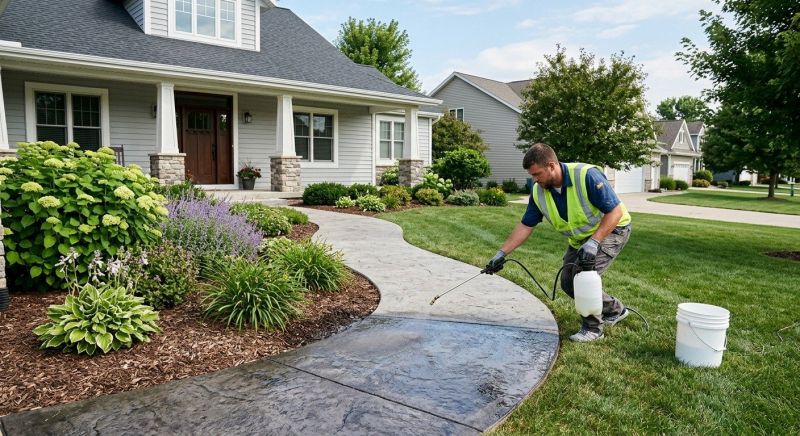
Sidewalk Concrete Sealing in Seattle, WA
Sidewalk concrete sealing is a protective treatment designed to shield concrete surfaces from moisture, stains, and wear. This service is commonly requested for residential walkways, pathways, and other concrete surfaces around the property. Proper sealing helps maintain the appearance of the concrete, prevents cracks caused by water infiltration, and extends the lifespan of the sidewalk, making it a valuable step in preserving outdoor spaces.
Homeowners considering sidewalk sealing often want to understand the benefits of a protective barrier and how it can improve the durability of their concrete. It's important to know that sealing is typically recommended after the concrete has fully cured and is free of cracks or damage. Property owners should also inquire about the types of sealers used, the appropriate timing for application, and any necessary preparation steps to ensure the best results for their specific sidewalk project.
Many property owners in Seattle, WA look into Sidewalk Concrete Sealing for repairs, replacements, upgrades, and appearance-related improvements.
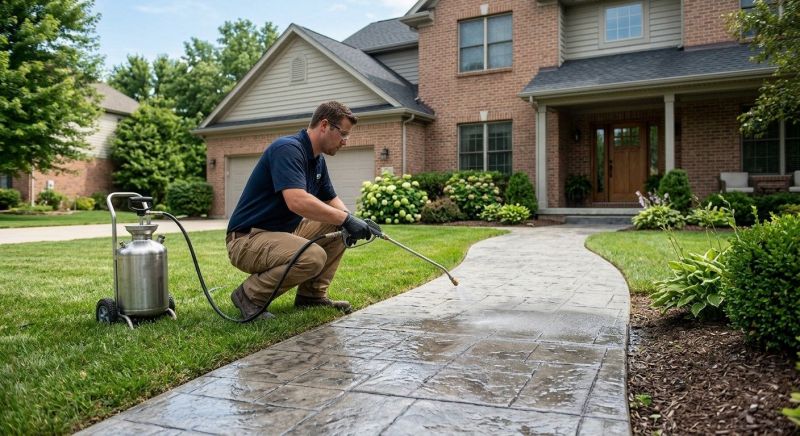
Enhancing Durability
Sealing sidewalks helps protect against cracking and surface wear caused by weather and foot traffic.
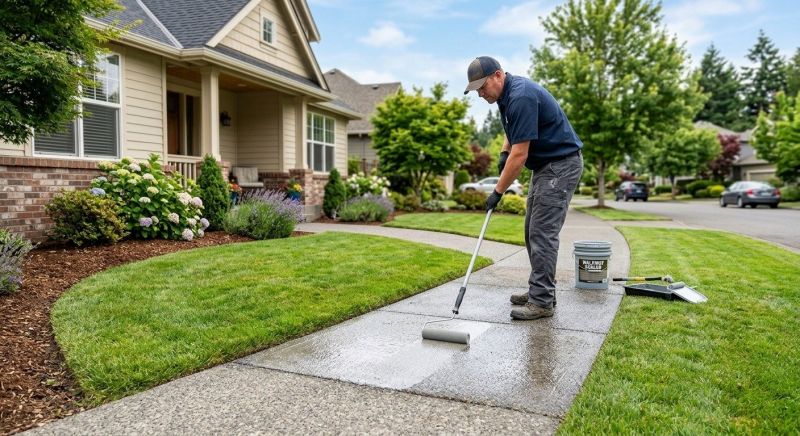
Maintaining Appearance
Proper sealing preserves the clean, smooth look of concrete surfaces around homes and commercial properties.
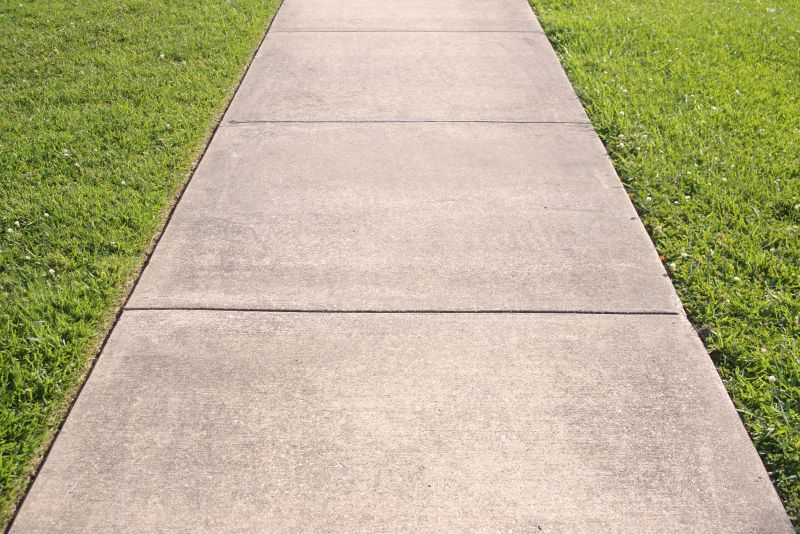
Preventing Damage
Sealing creates a barrier that reduces water infiltration and prevents freeze-thaw damage common in seattle's climate.
Sidewalk Concrete Sealing in Seattle, WA
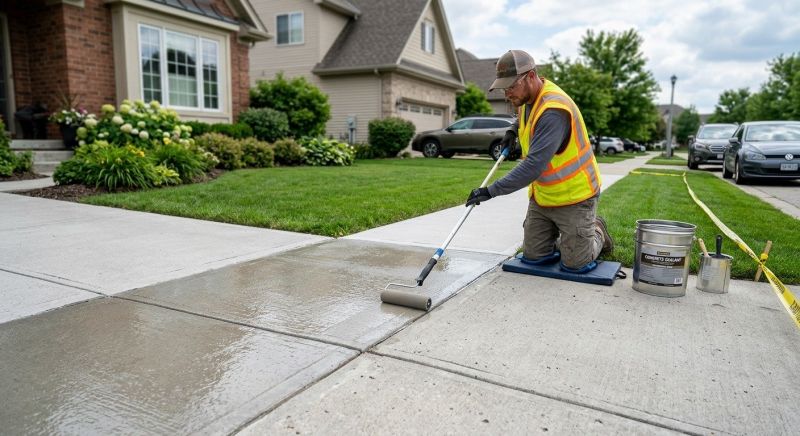
Sidewalk concrete sealing is a protective treatment designed to shield concrete surfaces from moisture, stains, and wear. This service is commonly requested for residential walkways, pathways, and other concrete surfaces around the property. Proper sealing helps maintain the appearance of the concrete, prevents cracks caused by water infiltration, and extends the lifespan of the sidewalk, making it a valuable step in preserving outdoor spaces.
Homeowners considering sidewalk sealing often want to understand the benefits of a protective barrier and how it can improve the durability of their concrete. It's important to know that sealing is typically recommended after the concrete has fully cured and is free of cracks or damage. Property owners should also inquire about the types of sealers used, the appropriate timing for application, and any necessary preparation steps to ensure the best results for their specific sidewalk project.
Many property owners in Seattle, WA look into Sidewalk Concrete Sealing for repairs, replacements, upgrades, and appearance-related improvements.
Common Sidewalk Concrete Sealing Jobs
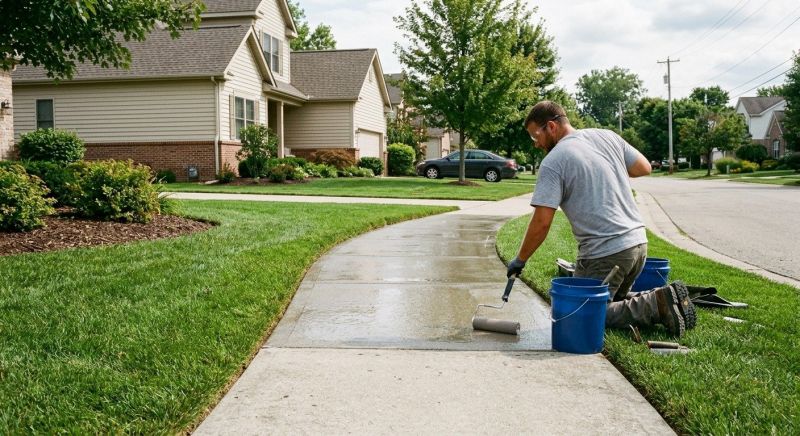
Sidewalks - sealing protects concrete surfaces from water damage and freeze-thaw cycles.
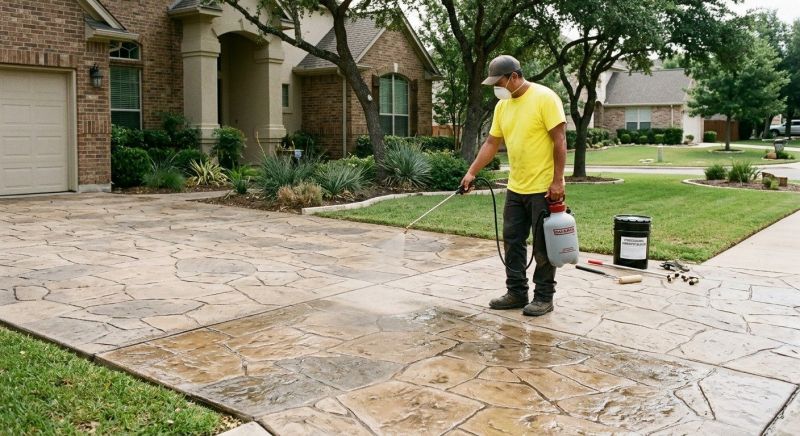
Driveways - applying a sealant helps prevent cracking and extends the lifespan of asphalt and concrete driveways.
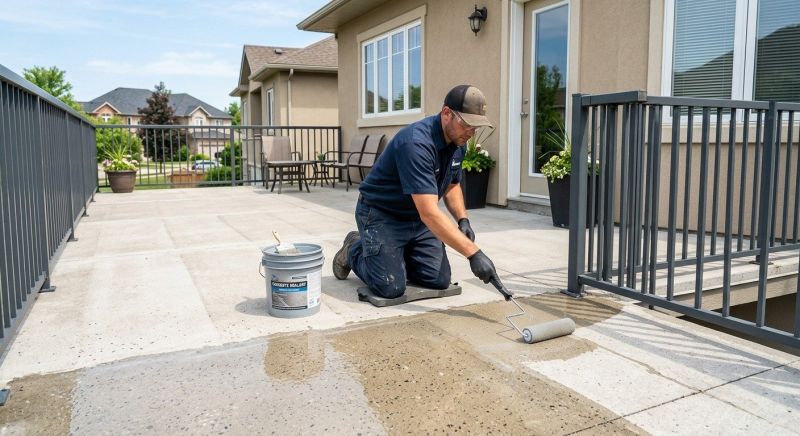
Patios - sealing enhances appearance and provides a protective barrier against stains and weathering.
Steps and Staircases - sealing reduces slipperiness and guards against wear caused by foot traffic.
Garage Floors - applying a sealant helps resist oil stains, moisture, and surface deterioration.
Outdoor Entertainment Areas - sealing preserves the integrity of concrete surfaces used for gatherings and activities.
Sidewalk Concrete Sealing Questions
Why should sidewalk concrete be sealed? Sealing helps protect concrete from moisture, stains, and surface damage, extending its lifespan and maintaining appearance.
How often should sidewalk sealing be performed? Typically, sealing is recommended every 2 to 3 years to preserve the surface and prevent deterioration.
What types of damage can sealing prevent? Sealing can reduce the risk of cracking, surface spalling, and staining caused by water penetration and freeze-thaw cycles.
Is sidewalk sealing suitable for all concrete surfaces? Yes, sealing is beneficial for most concrete sidewalks, especially those exposed to weather and heavy foot traffic.
Request Sidewalk Concrete Sealing in Seattle, WA
Use the quote form on this page to share the basics of your project and request more information for the type of work you need.