Roof Algae Removal in Vancouver, WA
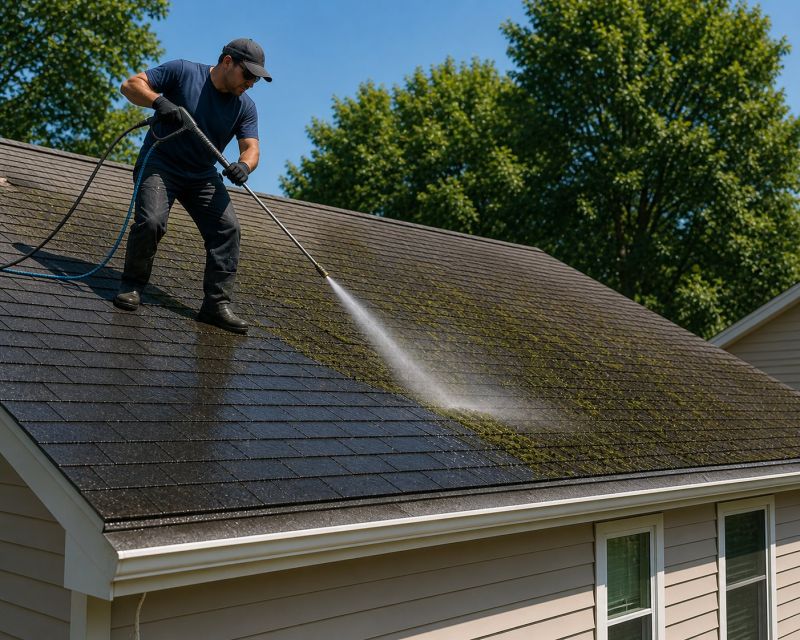
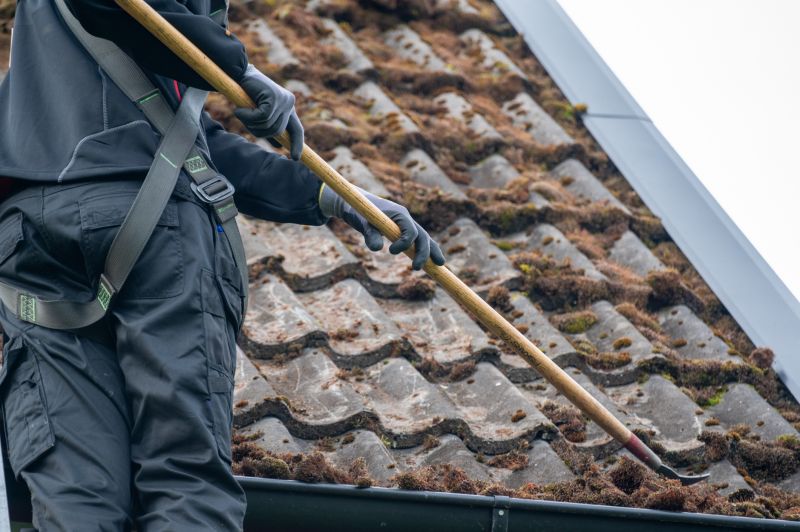
Roof algae removal services focus on eliminating unsightly growths like green or black algae that can develop on roofing surfaces over time. These services typically involve cleaning and treating shingles or other roofing materials to remove algae stains, prevent future growth, and restore the roof’s appearance. Projects often include residential homes, especially those with shaded or older roofs where algae tend to thrive, as well as multi-family properties and commercial buildings seeking to improve curb appeal and maintain roof integrity.
Property owners interested in roof algae removal usually want to understand the methods used to clean their roofs, the types of algae that can grow, and how the process can help extend the lifespan of roofing materials. It’s also common to inquire about any necessary preparations before service and whether treatments include measures to inhibit future algae growth. Clarifying these details can help ensure that the project meets expectations and preserves the roof’s condition over time.
Many property owners in Vancouver, WA look into Roof Algae Removal for repairs, replacements, upgrades, and appearance-related improvements.
Benefits Of Roof Algae Removal
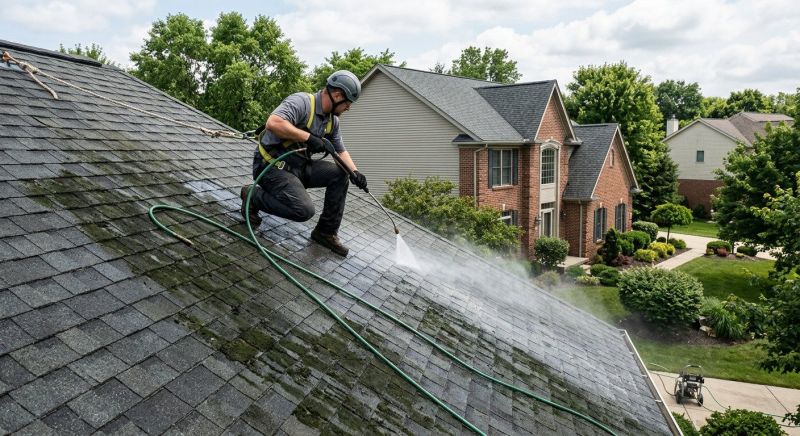
Removing algae helps preserve the roof’s appearance and extends its lifespan.
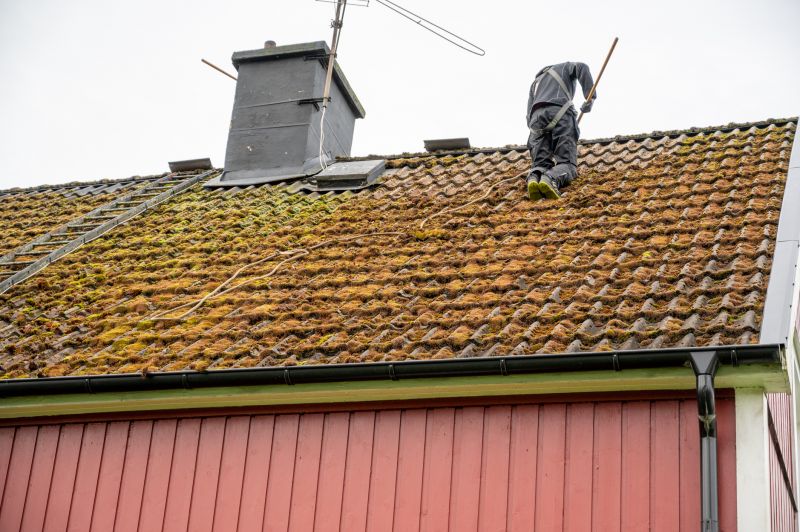
Signs You Need Algae Treatment
Dark streaks and moss growth are common indicators that algae removal may be necessary.
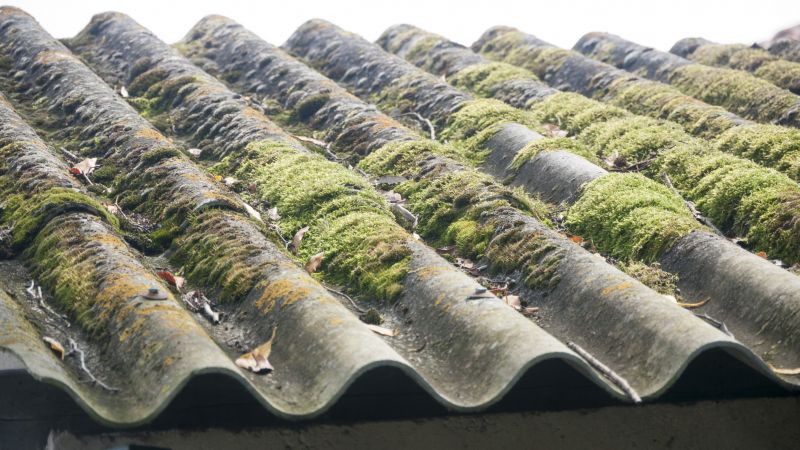
Maintenance Tips For Roof Health
Regular inspections and cleaning can prevent algae buildup and protect your property in vancouver, wa.
Roof Algae Removal in Vancouver, WA
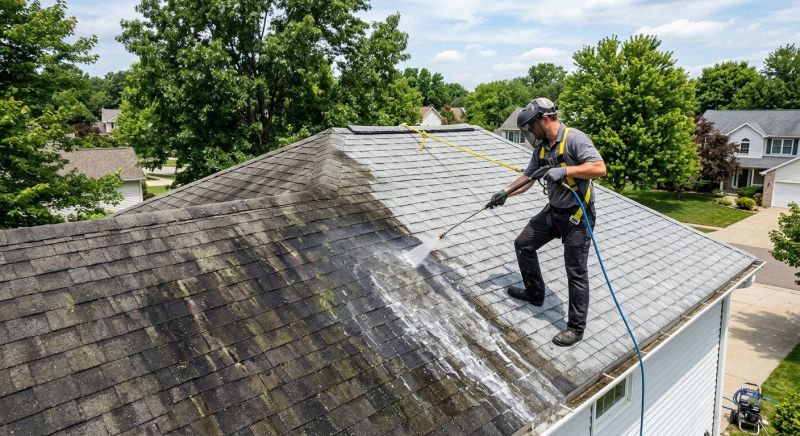
Roof algae removal services focus on eliminating unsightly growths like green or black algae that can develop on roofing surfaces over time. These services typically involve cleaning and treating shingles or other roofing materials to remove algae stains, prevent future growth, and restore the roof’s appearance. Projects often include residential homes, especially those with shaded or older roofs where algae tend to thrive, as well as multi-family properties and commercial buildings seeking to improve curb appeal and maintain roof integrity.
Property owners interested in roof algae removal usually want to understand the methods used to clean their roofs, the types of algae that can grow, and how the process can help extend the lifespan of roofing materials. It’s also common to inquire about any necessary preparations before service and whether treatments include measures to inhibit future algae growth. Clarifying these details can help ensure that the project meets expectations and preserves the roof’s condition over time.
Many property owners in Vancouver, WA look into Roof Algae Removal for repairs, replacements, upgrades, and appearance-related improvements.
Common Roof Algae Removal Jobs
Roof Algae Removal - eliminates unsightly algae growth that can damage roof surfaces.
Gutter Cleaning - removes algae and debris from gutters to prevent water damage.
Roof Cleaning - restores roof appearance by removing algae, moss, and stains.
Surface Treatment - applies protective solutions to inhibit future algae growth.
Preventative Maintenance - offers inspections to identify early signs of algae buildup.
Storm Damage Cleanup - clears algae and debris after severe weather events.
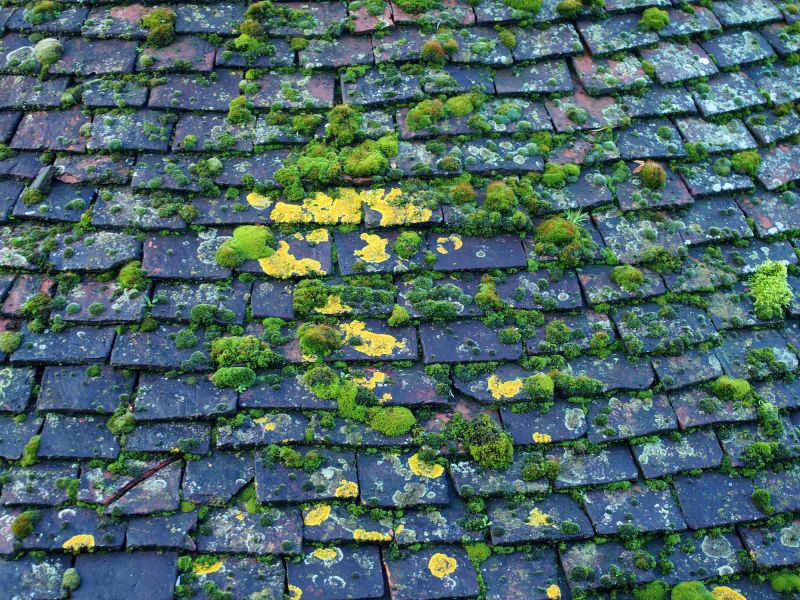
Roof Algae Removal Questions
What causes roof algae growth? Roof algae develop from airborne spores that settle on shaded, moist areas of the roof, leading to discoloration over time.
How does algae affect a roof’s condition? Algae can cause surface staining and may retain moisture, which can contribute to roof deterioration if left untreated.
Is algae removal necessary for roof longevity? Removing algae helps maintain the roof’s appearance and prevents potential moisture-related issues that could impact its lifespan.
What methods are used for roof algae removal? The process typically involves cleaning the roof surface with specialized solutions to safely eliminate algae and prevent regrowth.
Request Roof Algae Removal in Vancouver, WA
Use the quote form on this page to share the basics of your project and request more information for the type of work you need.